
Dosing: What does that Look like?!
Ah dosing, certainly a big point of contention among Homeopaths! The honest truth (as I see it), is that each Homeopath has their own preferred way of dosing. Some use only low potencies, while others use only high. Some say you have to dose your remedies in liquid (water) form, while others like to use (dry) pellets. Some say take one dose and wait, wait, wait, while others will instruct you to dose every 15-30 minutes for 2-4 doses. Confusing, right?!
Here I’d like to provide a general breakdown of the basics of dosing, based on my own professional preferences & experiences.
Before we get into the details, I want to briefly explain that this blog primarily relates to dosing for Acute symptoms. These are symptoms that you have been experiencing for about 3 weeks or less, and that you have not really ever had in the past. For example, you break a bone; you get food poisoning; you get bitten by a bug; you’re involved in some type of accident and are injured; etc.
Chronic symptoms are those that have been going on for more than 3 weeks, or are recurring symptoms. For example every time you get a cold, it starts as a stuffy nose, then progresses to sinus pain, eventually turns into a cough, and so on. The key here, is that the symptoms follow a fairly predictable pattern. Because of the recurring nature of it, it is considered to be an acute flare-up of a chronic pattern. Another example of a chronic situation is insomnia, diabetes, thyroid issues, anxiety, etc. (all going on for more than 3 weeks).
Let’s get to this!
You’ve decided on a remedy and you are likely going to start with a 30C potency, which is great for acute situations (read more on potency here). The first consideration is whether to take a wet or dry dose.
Wet dose - place 2 pellets in a cup/jar of water (preferably filtered). If using a cup, take a spoon and stir 10 times, then take 1 spoonful as a dose. If using a jar, put the lid on and bang/succuss the jar against your hand 10 times. Take a small sip. Stir the cup/bang the jar before taking an additional sip. Each spoonful/sip is a dose. You can keep the cup/jar on the counter for about 1-2 days, or about 3-5 days in the fridge.
Wet dosing is also a touch more gentle on the system and is a slow and steady approach. For these reasons, it is a great way to dose for people who are generally more sensitive.
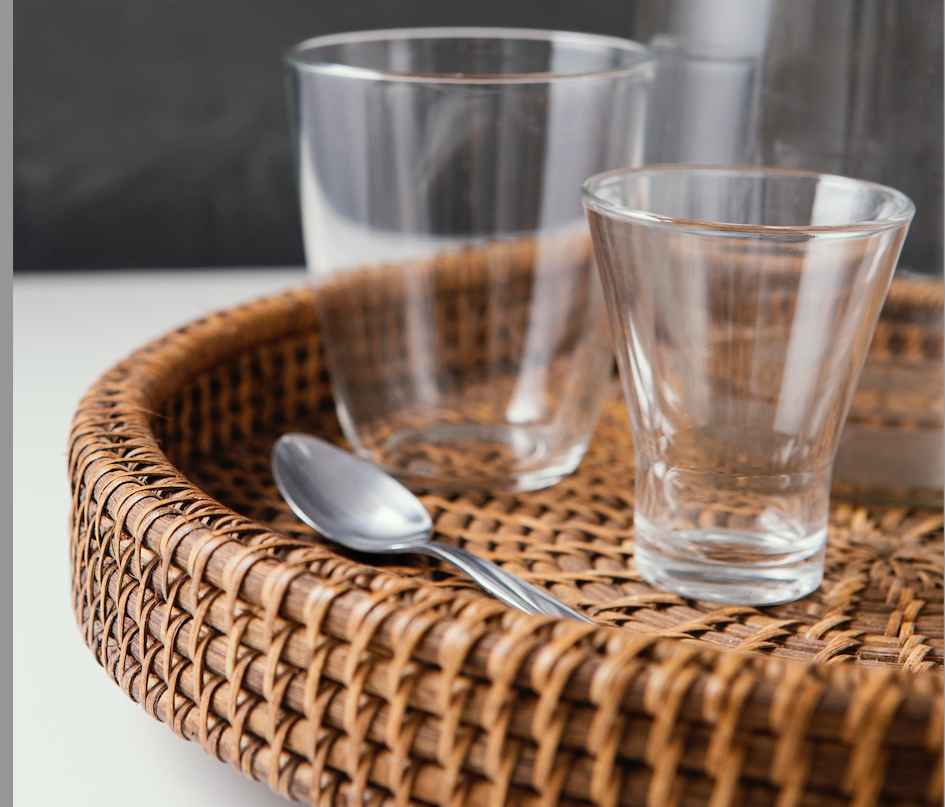
Image source: Freepik
Dry dose - pour 2 pellets on a spoon or in the lid of the remedy vial and place the pellets under your tongue. Do your best to avoid touching the pellets with your fingers. Each time you take the pellets like this, it is a dose.
What’s the difference?
Dry doses are a great way to start when taking a new remedy, as the body often responds well to the first few dry doses. If you will be taking more than a few doses of a remedy, I suggest switching to wet dosing after the first or second dry dose. Often after closely repeated dry doses the body can start to ‘ignore’ the remedy, but because of the dilution and succussing the wet dose changes ever so slightly each time you take it. This means the body is going to continue to respond to the remedy better.
Another reason to use wet dosing is if you are running low on a remedy and want to make it last, since 2 pellets can provide dosing for up to 5 days.
Next up: how often do you dose?
I always tell clients to match the dosing to the intensity. The less intense the symptoms, the longer you wait between doses; the more intense the symptoms, the more frequently you dose.
Less intense - start with dosing every 1-4 hours
More intense - dose every 15-30 mins to start
Try to avoid the use of any minty/strong products while taking your remedy, including essential oils, lozenges, gum, bathing products, toothpaste, oil of oregano etc. These can antidote the remedy. As well, avoid adding any other new modalities during this time, as it can make it hard to determine whether the remedy is working.
You’ve taken your first dose, now what?
In acute situations I find that it can take 1-3 doses of a remedy before you begin to see changes or not.
No Change - if after 3 doses of a remedy you feel no change at all, you can consider a different remedy.
With new symptoms - if new symptoms begin to present themselves, pay close attention and use these to guide you to the next remedy.
Improvement - as symptoms improve, you double the time between doses. If you began dosing every 30 mins, once you start feeling better dose every 60 mins/hour. As improvement continues double to 2 hours, then 4, etc. Once the symptoms are no longer present, you stop dosing.
With old symptoms returning - if you start to feel better but then the old symptoms return, it is likely that you didn’t quite get the right match on the remedy. Go back and have a closer look at your most notable symptoms and select another remedy.
With new symptoms coming on - you start to feel better, but then new symptoms present themselves. Note in detail what these new symptoms are, and look for a new remedy that matches these symptoms. Dose as described above.
Worsening- your existing symptoms get worse. STOP dosing and wait. This can be occurring if you have dosed too much. We call it an “aggravation” and the best thing to do is wait it out.
With improvement after - after a brief worsening of existing symptom, you begin to feel better. Keep waiting and observe. If the same symptoms begin to come back, you can start dosing again, but at the time interval you waited previously. For example, you dose, things get worse, you wait, 5 hours later you feel better, 5 more hours later the symptoms come back. Now you are dosing at an interval of 10 hours. If the improvement continues, there is no need for any further doses.
With new symptoms coming on - after your symptoms became worse, you now have new symptoms. Continue to wait and note these new symptoms so you can consider a new remedy.
Whew! Those are the basics of dosing for acute conditions. Sound like a lot? That’s because sometimes it can be. That said, the more you learn and use homeopathy, the better you will get at it. And sometimes we want that additional support during times of intense illness/injury - I’m here for you!